Massages · Chiromassage
Chiromassage
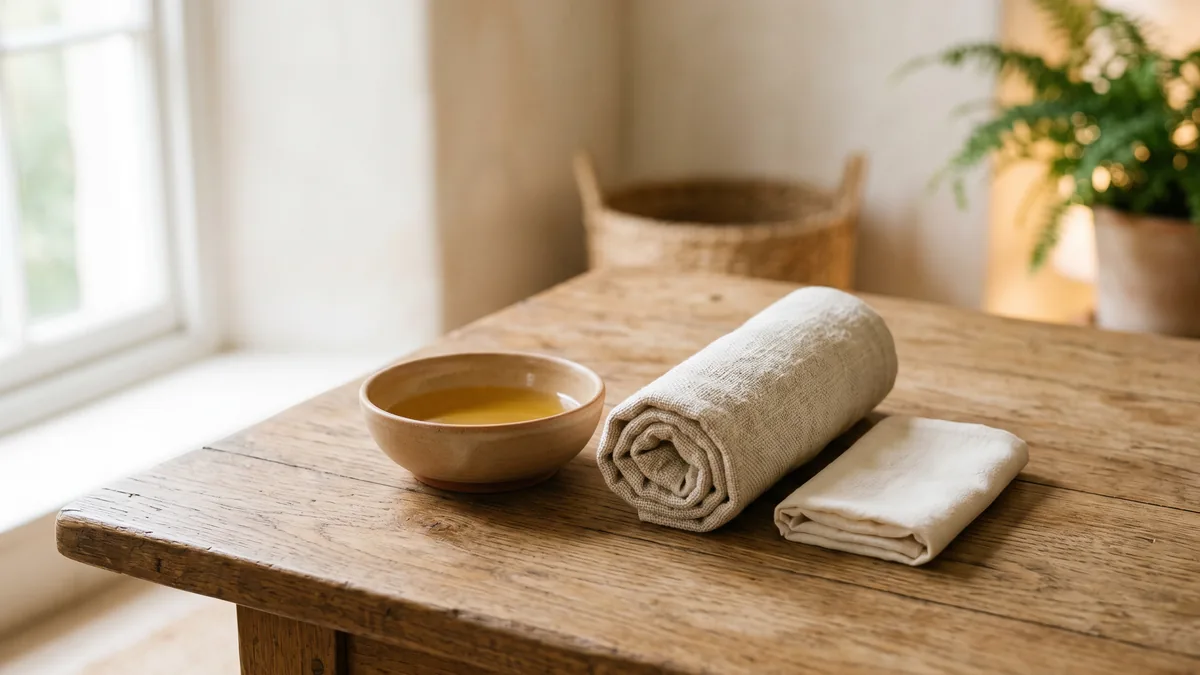
Chiromassage is one of the most common massage techniques offered at wellness centres in Barcelona and across Spain. This page explains what it actually involves, how it differs from physiotherapy and chiropractic, and what you can reasonably expect from a session.
What chiromassage is
The word “chiromassage” comes from the Greek kheir, meaning hand. It refers to a manual massage technique applied to the muscles and soft tissues of the body — the prefix simply signals that it is done entirely by hand. In practice, it is one of the most widely offered sessions at wellness centres in Barcelona: a general full-body massage that combines different manoeuvres, typically kneading, friction, steady pressure and lighter gliding strokes. The usual aim is to encourage relaxation and ease the sense of muscular tension that builds up over a busy week.
It is worth placing it clearly from the outset. Chiromassage is a wellness and self-care service, not a medical act. Many people seek it out to switch off, to release tension after a demanding stretch of work, or simply to give themselves some time for personal care. It can contribute to a sense of wellbeing, but it does not act on any medical condition and does not promise any particular outcome.
One important note for international visitors: in Spain and Catalonia the term “quiromassatge” (chiromassage) is in common use at salons, spas and wellness centres, but the exact style and scope can vary considerably from one centre to another. It is always worth asking what is actually included before you book.
How a session usually works
Each centre has its own approach, but a chiromassage session generally follows a recognisable pattern. It usually starts with a brief conversation: how you are feeling, which areas seem most loaded, and whether there is anything the practitioner should bear in mind. From there, the hands-on work begins, often with an oil or cream that helps the hands move smoothly over the skin. The practitioner will alternate between firmer manoeuvres and gentler ones, adapting as the session progresses.
It is common to work the back, shoulders, neck, arms and legs, though this varies depending on the centre and your own preferences. The session typically lasts somewhere between 45 minutes and an hour, sometimes longer. At no point should a manoeuvre feel painful: if something is uncomfortable, it is entirely reasonable to ask for the pressure to be adjusted. A well-run session adapts to the person, not the other way around.
If what you are mainly looking for is more focused work on a specific area of tension — for instance a persistently tight upper back — a decontracting massage may be a better fit, since it places more targeted pressure on contracted zones.
Chiromassage, physiotherapy and chiropractic: not the same thing
This is the most important distinction to understand, because the names can easily be confused — especially for people who are new to the Spanish wellness landscape.
Chiromassage is a wellness technique, not a regulated healthcare profession. Physiotherapy, by contrast, is a regulated health profession practised by qualified professionals who assess and work with musculoskeletal problems within a clinical framework. Chiropractic is a separate discipline again, with its own approach and scope. Chiromassage sits firmly in the wellness and personal care sector: it does not diagnose conditions, it does not act on injuries or illnesses, and it is not a substitute for the evaluation of a health professional.
Saying this clearly does not diminish the value of chiromassage as a self-care experience. It simply places it where it belongs. As a wellness session it can be very pleasant and can form part of a personal care routine. What you should not expect is for it to do the work that belongs to a health professional. If you have a persistent injury, ongoing pain or a medical diagnosis, the right step is to see a qualified clinician — not to book a massage in its place.
It is also worth knowing that, unlike physiotherapy or medicine, the practice of chiromassage in Spain is not subject to a standardised training requirement. The level of preparation varies between practitioners and centres. Before booking, it is reasonable to ask about the practitioner's background and what a session will specifically involve at that centre.
Who may find it useful
Chiromassage tends to be chosen in moments of tiredness, everyday stress, or simply as a way to take care of yourself. Many people book it after long working stretches when their shoulders and neck feel heavy, or as a pause to step away from the rhythm of the week. It can help you relax and may contribute to a sense of wellbeing and rest. These effects are subjective, though, and vary from person to person: this is not a service that promises any particular outcome, but a personal care experience whose value depends on what you are looking for.
If your motivation is to relax, ease the day-to-day feeling of tension and give yourself some time, chiromassage can be a reasonable choice. If, on the other hand, you have a specific health concern, chiromassage is not the appropriate response and you should seek the right professional evaluation. The guide how to choose a massage type can help you think through the options.
Precautions and when to check first
For most people, a chiromassage session is a low-risk activity. Even so, there are situations where it is best to consult a health professional before going ahead: during pregnancy — especially if there are any complications — if you have a recent injury, intense pain, fever, skin problems in the area to be worked on, circulatory issues, or any ongoing medical diagnosis. Letting the centre know before you start gives them the chance to adapt the session or, if appropriate, suggest you come back once the situation has been assessed.
Keep in mind, too, that the same name can cover quite different approaches depending on the centre. Before booking, it is worth finding out exactly what the session will involve and what background the practitioner has. And if during or after the massage you notice a discomfort that does not ease, dizziness or any unusual symptom, do not ignore it — consult a health professional.
Frequently asked questions
Is chiromassage the same as physiotherapy?
No. Physiotherapy is a regulated health profession: physiotherapists are trained clinicians who assess and work with musculoskeletal problems within a clinical context. Chiromassage is a manual wellness technique applied to the muscles and soft tissues. It does not diagnose or act on any medical condition. If you need clinical assessment, a physiotherapist or doctor is the right person to see.
How does it differ from a relaxing or decontracting massage?
The boundaries are not always rigid and vary by centre. Chiromassage is typically offered as a general manual full-body massage combining different manoeuvres. A relaxing massage usually emphasises lighter pressure and a calm, unhurried rhythm. A decontracting massage focuses more specifically on contracted muscle zones with deeper, more targeted pressure. In every case, all three are wellness services — none of them replaces healthcare.
How often can I have one?
There is no single rule. Some people book occasionally, as a treat, while others incorporate it into a regular self-care routine. What makes sense depends on your preferences and circumstances; the centre can give you guidance based on what you are looking for.
What should I tell the centre before my session?
Let them know about any health conditions, recent injuries, areas of discomfort or anything else that might be relevant. A good centre will ask; if they do not, mention it anyway. This allows the session to be shaped appropriately — and, in some cases, may mean recommending you seek a professional opinion first. You can also read how to prepare for your first massage for a fuller picture of what to expect.
Informative content from massatge.cat, reviewed periodically. It does not replace the advice of a health professional.