Massages · Relaxing
Relaxing massage
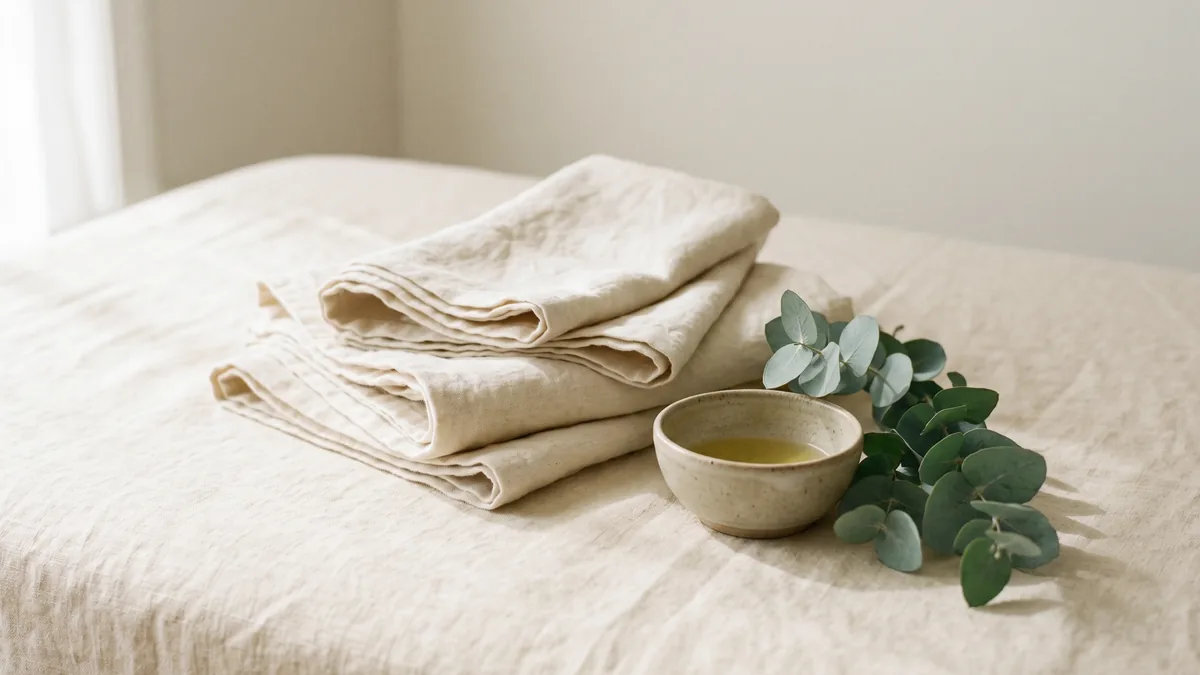
The relaxing massage is probably the best known. It is a gentle, unhurried session designed to encourage calm and switch off. Here we explain what it involves, how it usually unfolds and what is reasonable to expect from it.
What a relaxing massage is
The relaxing massage is a gentle-pressure technique that works over the body in a general way, often with long, slow strokes and a calm setting —soft light, quiet music, a pleasant temperature. The main goal is not to target a specific area of tension, but to encourage a state of calm. That is why it tends to be chosen when what you are after is to switch off from everyday stress or to give yourself a moment of self-care.
Unlike other, more intensive techniques, in the relaxing massage the pressure stays moderate. It should not be painful at any point. If a manoeuvre bothers you, it is entirely reasonable to ask for the pressure to be adjusted: a good session adapts to the person. If you are looking for deeper work on a loaded area, the decontracting massage fits better.
What a session is usually like
Each centre has its own style, but a relaxing massage session tends to follow a similar pattern. First, a brief chat to find out how you are and whether there is anything to keep in mind. Then the massage itself, often with an oil or cream to help the hands glide over the skin. The usual length runs from about 45 minutes to an hour and a half.
It is common to work the back, shoulders, neck, arms and legs, although this varies. Many centres offer variants focused on one area or more complete sessions. At the end, it is normal to feel a little drowsy or especially relaxed; that is why it usually helps not to be in a rush straight afterwards.
Who it may suit
The relaxing massage tends to be chosen in moments of stress, tiredness or simply as a way to take care of yourself. It can help you relax and may contribute to a sense of wellbeing and rest. It is worth remembering, though, that these effects are subjective and vary from one person to another: it is not a treatment with assured outcomes, but a self-care experience. Many people seek it simply to give themselves a pause, expecting nothing more than that moment of calm.
Precautions and contraindications
For most people, a relaxing massage is a safe activity. Even so, there are situations where it is best to consult a health professional first: during pregnancy, if you have a recent injury, intense pain, fever, skin problems in the area to be treated, circulatory problems or any ongoing medical diagnosis. Mentioning it to the centre before starting allows the session to be adapted or, if needed, postponed.
After the session
Once the massage is over, it is common to feel especially relaxed and, sometimes, a little drowsy. Drinking water and taking a few minutes before returning to your usual activity tends to help. If you have used oil, you may notice your skin feeling hydrated for a while. Everyone experiences it differently: there is no «correct» reaction, and what matters is how you feel.
If, instead of relaxation, you notice a discomfort that does not go away, dizziness or any strange symptom, do not let it pass and, if needed, consult a health professional. Such cases are rare in a gentle massage, but they are worth keeping in mind.
Frequently asked questions
How often can I have a relaxing massage?
There is no single rule. Some people book it occasionally, as a treat, and others build it into a wellbeing routine with some regularity. What makes sense for you depends on your preferences and possibilities; the centre can advise you.
How does it differ from the decontracting one?
The relaxing one prioritises gentleness and a general sense of calm, while the decontracting massage works with more pressure on specific areas of tension. If your goal is mostly to switch off, the relaxing one is usually the better choice.
Informative content from massatge.cat, reviewed periodically. It does not replace the advice of a health professional.