Facial massage · Kobido
Kobido facial massage
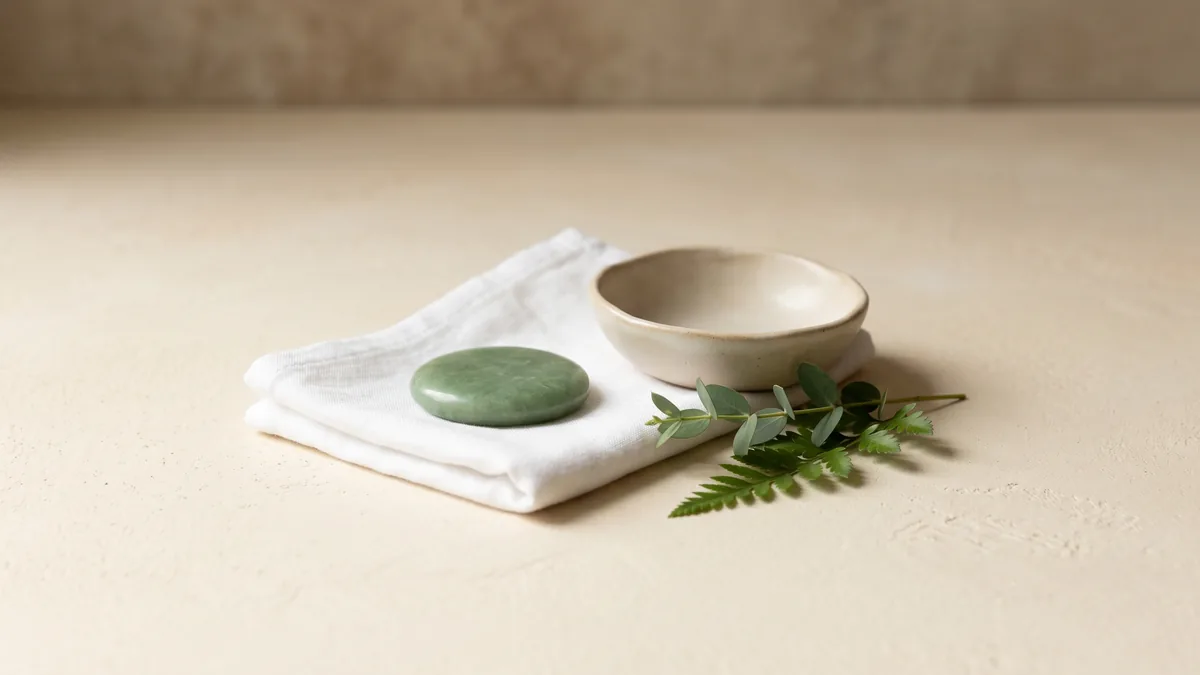
Kobido is a manual facial massage technique with Japanese origins, often described as a facial relaxation ritual. Here we explain what it involves, how a session tends to go, and what it is reasonable to expect from it — without promises.
What kobido is
Kobido is a manual facial massage technique with Japanese origins. Work is carried out with the hands on the face, the neck and often the scalp, combining slow, deliberate movements with faster, more rhythmic sequences that are one of the defining characteristics of this approach. Unlike a cream or a device, everything here is done by hand, and that particular rhythm of the hands is precisely what many people associate with kobido.
It helps to be clear about what kobido is and what it is not. It is generally presented as a facial relaxation ritual within a personal self-care routine, and that is the most useful frame for understanding it. It is not an aesthetic or medical procedure: it does not act on the underlying structure of the face, and it does not alter the skin in any permanent way. At its core, it is a form of facial massage with its own tradition and style. If you are curious about other ways of working the face, you might also look at a relaxing facial massage or a lymphatic facial, which each take a different approach.
How a session usually unfolds
Each centre has its own approach, but a kobido session tends to follow a recognisable pattern. It usually begins with a brief check-in to find out how you are and whether there is anything worth knowing — skin sensitivity, for example. The face is then cleansed and, in most cases, a light oil or cream is applied to allow the hands to move smoothly. From there, the massage alternates slower strokes with the faster, more rhythmic sequences that give kobido its distinctive character.
Work typically covers the face, the jawline, the neck, and sometimes the shoulders or scalp. Session length varies from centre to centre, so it is always worth confirming when you book. During the session, if a movement feels uncomfortable or your skin feels overly sensitive, it is entirely reasonable to ask the practitioner to adjust the pressure or pace: a well-run session adapts to the person. Afterwards, many people describe a sense of relaxation and a feeling of freshness in the face; that response is subjective and will differ from person to person.
If you would like to understand what the broader category of facial massage involves before booking, the facial massage guide gives a useful overview of the different options available in Barcelona.
Who it may suit
Kobido tends to be chosen as a personal self-care experience focused on the face. Many people seek it as a way to unwind, to take a step back from a busy day, or to give attention to a part of the body that often gets overlooked. In that sense, it can contribute to a sense of calm and wellbeing in the same way that a gentle body massage might, but with the focus placed on the face.
It is worth keeping in mind that these effects are personal and vary considerably from one individual to another. Kobido can form part of a self-care routine, but it is not a method for changing how you look or for achieving a specific aesthetic outcome. It does not act on skin ageing or promise any visible transformation. Approaching it as a relaxation ritual — rather than as a solution to a concern — makes for a more grounded experience and helps you spot claims that do not hold up.
People who already enjoy a relaxing body massage as part of their wellbeing routine sometimes find kobido a natural complement: a way to extend that same quality of attention to the face and neck.
Precautions and things to bear in mind
For most people, a gentle facial massage is a calm and low-intensity activity. That said, the face is a sensitive area, and there are situations where it pays to be careful. If you have very sensitive skin, open wounds or abrasions in the area, active flare-ups of dermatological conditions, rosacea, inflamed acne, or known reactions to any products that might be used, the prudent step is to speak with a health professional — such as a dermatologist — before going ahead with a session.
The same applies in situations such as a complicated pregnancy, a recent injury to the face or neck, persistent or intense pain, or any ongoing medical diagnosis. Letting the centre know about your situation before the session starts allows them to adapt the approach or, if needed, to reschedule. If you are unsure whether a session is appropriate for you right now, the safest course is always to check with a health professional first.
It is also worth noting that some centres offer kobido sessions as an add-on to other facial or body treatments. In that case, the same precautions apply to the combined session. If you are comparing kobido with other facial options, the guide to choosing a massage type may help you think through what best fits your situation.
After the session
Once a kobido session ends, it is common to feel especially at ease and, in some cases, a little drowsy — similar to the feeling after other gentle massage techniques. Taking a few quiet minutes before heading straight back into a busy schedule tends to make the most of that state. If oil was used during the session, you may notice your skin feeling softer for a while afterwards.
Everyone responds differently, and there is no single right reaction. If, instead of feeling relaxed, you notice an unusual discomfort, redness that does not settle, or any other unexpected symptom, do not dismiss it: speak with a health professional if you have any doubt. Such reactions are uncommon after a gentle facial session, but they are worth keeping in mind.
Frequently asked questions
Is kobido a facelift?
No. Kobido is a manual facial wellness massage, not a lifting procedure or any other aesthetic or medical treatment. It does not work on deep tissues or the underlying structure of the face, and it does not assure any particular visible result. The most useful way to understand it is as a facial relaxation ritual within a personal care routine — not as a way of transforming how you look.
How does it differ from other facial techniques?
Kobido is entirely manual and has a distinctive rhythm that sets it apart. A relaxing facial massage tends to focus on steady, calming strokes across the face and neck, while a lymphatic facial uses very light, specific movements aimed at encouraging lymphatic flow. All of these are wellness practices centred on the face; the best fit depends on what you are looking for and how your skin tends to respond.
How often can I have a kobido session?
There is no single rule. Some people book it occasionally as a treat or a moment of self-care, while others work it into a regular wellbeing routine. What makes sense for you depends on your preferences and how your skin responds; the centre can give you a better sense of what tends to work well.
Do I need to do anything to prepare?
No special preparation is usually needed. Arriving without heavy make-up can make the start of the session smoother, since the face is typically cleansed before the massage begins. It also helps to arrive without rushing so you can relax from the start. If you have never had a facial massage before, the guide on preparing for your first massage covers the basics and may be useful.
Informative content from massatge.cat, reviewed periodically. It does not replace the advice of a health professional.