Massages · Feet
Foot massage
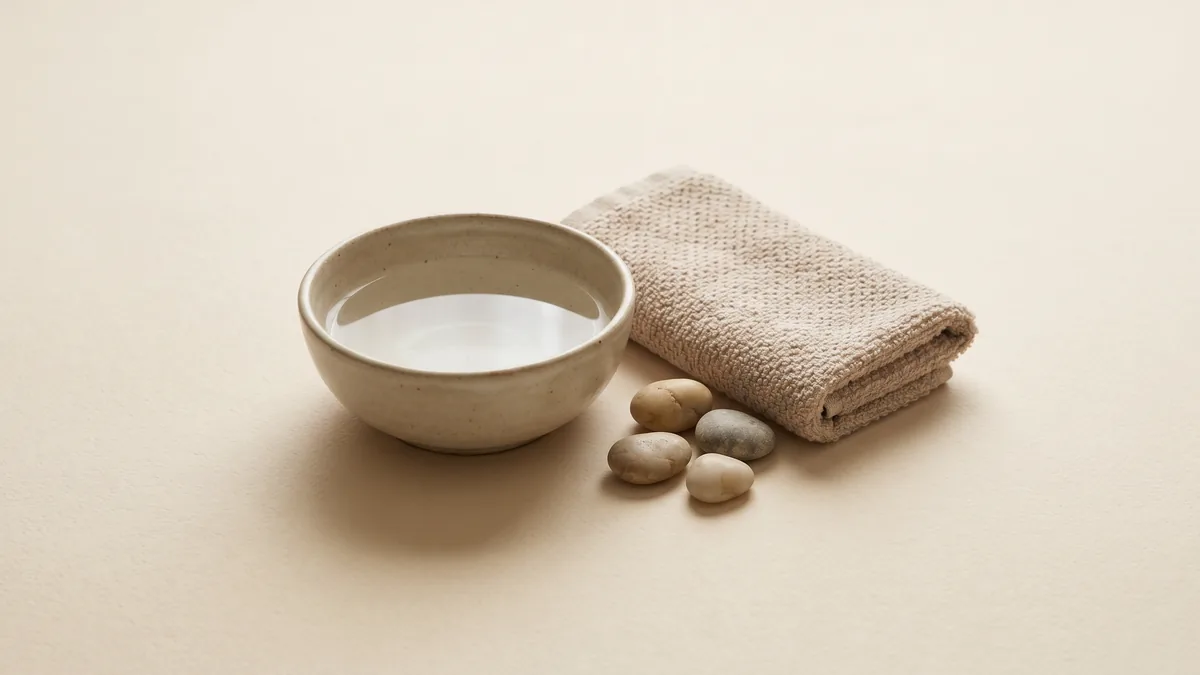
A foot massage is one of the simplest forms of personal care, and many people find it deeply relaxing. Here we explain what it involves, how a typical session unfolds, and how it differs from reflexology — so you can decide whether it suits what you are looking for.
What a foot massage is
A foot massage is a hands-on technique that works the sole, instep, toes and heel using gentle movements — slow strokes, light pressure and circular friction. In many sessions it extends a little way up to the ankle and the lower calf. It is one of the areas of the body that bears the most weight and tension over the course of a day, which is why many people seek it out as a simple way to give themselves a moment of rest and self-care.
The sensation during a foot massage is usually one of warmth and ease. The pressure is adjusted to each person: at no point should it be uncomfortable, and if a particular movement bothers you it is entirely reasonable to ask for it to be changed. It is worth keeping in mind from the outset that this is a wellbeing service — it is not a way to modify the body or to address health concerns. If you want to compare it with other options, the massages overview covers the most common types available in Barcelona.
How a session usually unfolds
Each centre has its own style, but a foot massage session tends to follow a recognisable pattern. It usually begins with a brief check-in to find out how you are and whether there is anything relevant to keep in mind. An oil or cream is often applied to help the hands glide comfortably over the skin, and some centres will prepare the area beforehand with a little warmth or a short foot soak. Then the massage itself begins, at an unhurried pace and with moderate pressure throughout.
The length of a foot massage varies considerably. When it forms part of a broader session — say, as part of a full-body relaxing massage — it may last only fifteen or twenty minutes. Dedicated foot massage sessions can run longer. At the end, it is normal to feel especially relaxed, sometimes even a little drowsy, so it usually helps not to be in a rush straight afterwards. Everyone responds differently: there is no single "correct" reaction, and what matters most is how you feel.
Who tends to seek it out
A foot massage is often chosen simply as a form of self-care and a way to unwind. People who spend long hours on their feet — standing, walking, or working a physically demanding job — frequently turn to it at the end of the day for the sense of lightness and rest it can bring. It may contribute to a feeling of general wellbeing, though it is worth bearing in mind that these effects are subjective and vary from one person to the next. It is not a treatment with predictable outcomes; it is a self-care experience.
Some people incorporate a foot massage into a broader wellness routine, combining it with other services over time. If your main goal is to switch off and leave the day's stress behind, you might also find the relaxing massage appealing — it covers the whole body with the same calm, unhurried spirit. If you want to explore further, the guide on choosing a massage type can help you think through the options.
Foot massage and foot reflexology: they are not the same thing
It is easy to mix up a foot massage with foot reflexology, but they are distinct practices. A foot massage is, simply put, a wellness massage focused on this part of the body: its aim is to help you relax and feel at ease. Foot reflexology, by contrast, is a practice with its own internal logic, working specific points on the foot according to its own framework — one that sits outside the scope of this page.
What matters most here is being clear about what neither practice should be presented as: a solution to health problems. A foot massage does not act on internal organs, does not address any condition, and is not a method for modifying the body. If a centre frames any foot-based service as a remedy for a health concern, it is worth approaching those claims with scepticism. At massatge.cat we do not make those promises. For any health question, the right person to consult is a health professional.
Precautions and contraindications
For most people, a foot massage is a gentle and pleasant activity. Even so, there are situations where extra care is warranted. If you have open cuts, wounds, inflamed calluses, a fungal infection or any skin problem on the feet, it is best to hold off and, if necessary, get advice before proceeding. Diabetes deserves particular attention because it can affect sensitivity and circulation in the feet; in that case, it is wise to speak with a health professional before booking.
It is also advisable to wait or consult first if you have intense pain in the area, a recent injury, significant circulatory problems or varicose veins, fever, or a pregnancy with complications. Letting the centre know about your health situation before the session begins allows them to adapt it or, if needed, suggest a better moment. If you are unsure whether a massage is appropriate for you in general, the guide on when not to get a massage covers the main situations to be aware of.
After the session
Once the massage is over, it is common to feel particularly relaxed and, in some cases, slightly drowsy. Drinking water and taking a few quiet minutes before returning to your usual activities tends to be a good idea. If oil was used, your skin may feel noticeably softer for a while afterwards. As with the session itself, how you feel is personal — there is no fixed standard for what a "good" outcome looks like.
If instead of relaxation you notice a persistent discomfort, dizziness or any unusual symptom after the session, do not ignore it. Such reactions are uncommon after a gentle massage, but they are worth taking seriously: if in doubt, consult a health professional.
Frequently asked questions
Can a foot massage have effects beyond the feet?
As a wellness service, a foot massage aims to relax the area and help you feel at ease. Any general sense of relaxation you notice is subjective and should not be understood as a medical effect. The massage does not act on internal organs or address conditions elsewhere in the body.
How does it differ from foot reflexology?
A foot massage is a straightforward wellness massage centred on this part of the body. Foot reflexology is a separate practice with its own framework, working specific points on the foot. If what you are mainly after is to relax and switch off, a foot massage or a relaxing massage are usually the more straightforward choice.
How often can I have a foot massage?
There is no single rule. Some people book one occasionally as a treat; others include it in a regular self-care routine. What makes sense depends on your own preferences and circumstances. The centre can advise you based on your situation.
Can it be combined with other massages?
Yes — a foot massage is often paired with other techniques, either as part of a longer full-body session or as a standalone add-on. A leg massage is a natural companion, since the two areas flow into one another. How sessions are structured varies between centres; it is worth asking when you book.
Informative content from massatge.cat, reviewed periodically. It does not replace the advice of a health professional.