Massages · Hands
Hand massage
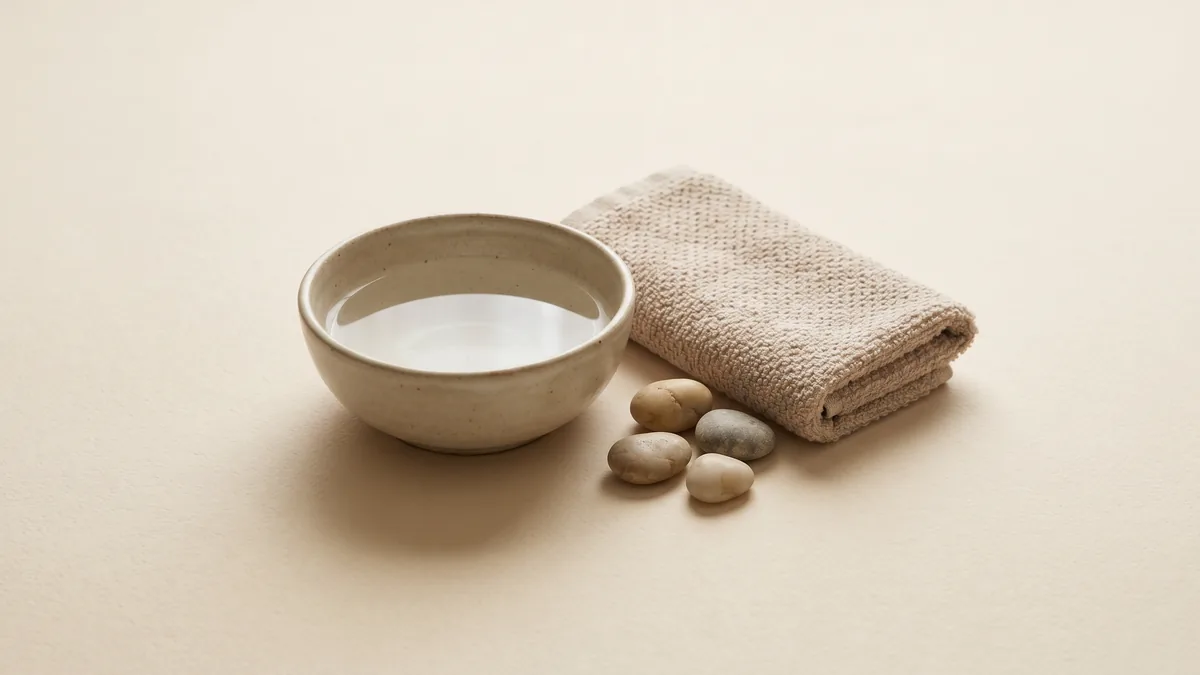
A hand massage is a short, pleasant session focused on a small but constantly active part of the body. Here we explain what it involves, how it usually unfolds and what is reasonable to expect from it.
What a hand massage is
A hand massage is a gentle, short technique that concentrates on a very specific part of the body: the palms, the back of the hand, the fingers and, often, the wrists. Our hands are in almost constant use throughout the day — typing, writing, carrying, scrolling — so spending a little time on them can feel particularly welcome. The movements are usually light: soft pressure, long gliding strokes with an oil or cream, small circular motions around each finger and knuckle. The overall tone is calm and unhurried.
Unlike a full-body massage, the goal here is not to address large muscle groups but to offer a sense of relaxation and wellbeing in a delicate, heavily used area. You will often find hand massage offered as part of a broader session — as a complement to a relaxing massage, for instance — or as a brief standalone self-care gesture. It should not be understood as a way to address joint or tendon conditions.
What a session is usually like
Each centre has its own style, but a hand massage session tends to follow a simple pattern. It usually begins with a brief conversation to find out how you are and whether there is anything to be aware of — a discomfort, a recent injury or a particular sensitivity. Then the massage itself begins, often with a warm oil or a nourishing cream to help the hands glide smoothly and keep the skin comfortable. The therapist works one hand at a time, moving from the wrist along the palm and out to the fingertips, then repeating on the other side.
Because the hand is a small area, sessions are typically shorter than a full-body treatment. They are often offered as an add-on to another service or as part of a combined wellbeing visit. It should not be painful at any point. If a manoeuvre bothers you, it is entirely reasonable to ask for the pressure to be adjusted — a good session adapts to the person. At the end, it is normal to notice that the hands feel relaxed and the skin soft. Everyone experiences it differently: there is no single correct reaction, and what matters is how you feel.
Who it may suit
Many people seek a hand massage simply as an enjoyable moment of self-care. If you spend long hours at a keyboard or with a mouse, you may notice tension or fatigue in your hands and fingers by the end of the day. A short session of gentle attention to those areas can contribute to a sense of rest and ease, though this does not mean it resolves any underlying issue. Many people find it a pleasant way to mark the end of a working day or to give themselves a pause during a longer treatment.
Others turn to hand massage after manual work or activities that demand intensive use of the hands — as a way of granting themselves a moment of respite. It can be a welcome part of a self-care routine. It is worth keeping in mind, though, that these effects are subjective and vary considerably from person to person: a hand massage is not a method for addressing injuries or a solution for discomforts that keep returning. If you experience recurring tiredness or discomfort in the hands that does not settle, the sensible step is to speak with a health professional.
If you are looking for a broader view of massage options available in Barcelona, the massages overview page compares the main types, and the guide to choosing a massage type can help you think through what suits your situation.
Precautions and contraindications
For most people, a hand massage is a gentle and low-key activity. Even so, there are situations where it is better to be cautious. If you have an open wound, active inflammation, a skin condition in the area, a recent wrist or finger injury, or have been experiencing intense pain, it is best not to proceed and to mention it to the centre before the session. A good therapist will adapt or suggest postponing if needed.
It is also important to be clear about what a hand massage is not designed to do. It is not intended to act on joint or tendon conditions. It is not a form of care for arthritis, carpal tunnel syndrome or other hand-related medical diagnoses, and it does not replace a professional assessment. If you have any of those conditions, the appropriate first step is a consultation with a health professional, not a booking at a massage centre.
If you would like a general overview of when to be careful before any massage session, the guide on when not to get a massage covers the most common situations worth knowing about.
After the session
Once the session is over, it is common to notice that the hands feel lighter and the skin is smooth and comfortable, especially if a nourishing oil or cream was used. The relaxed feeling tends to be pleasant and immediate, though, as with any self-care experience, how long it lasts and how noticeable it is varies from person to person.
If, instead of relaxation, you notice a discomfort that does not settle, numbness or any unusual sensation in the hands or fingers after the session, do not ignore it. Such reactions are uncommon after a gentle treatment, but they are worth taking seriously. If needed, consult a health professional.
Frequently asked questions
Is a hand massage useful for wrist discomfort from computer work?
A short period of gentle attention can feel pleasant, but a hand massage is not a form of care for wrist problems. If you notice recurring pain or discomfort related to computer use that does not go away on its own, the most sensible step is to consult a health professional. It is also worth reviewing rest habits and posture in your working environment.
How long does a hand massage last?
Because the area is relatively small, sessions tend to be short. They are often offered as part of a more complete session or as an addition to other services. The exact duration depends on each centre, so the best approach is to check directly with them when booking.
How often can I have a hand massage?
There is no single rule. Some people book it occasionally, as a treat, and others build it into a wellbeing routine with some regularity. What makes sense for you depends on your preferences and lifestyle; the centre can advise you. If you are curious about other areas that are often treated in a similar way, the foot massage page covers another commonly requested localised session.
Can I combine a hand massage with other treatments?
Yes, it is frequently combined with other services. Many centres include it as part of a longer session — for instance alongside a relaxing massage — or offer it as a short standalone add-on. If you are putting together a broader self-care visit, the body treatments section gives an overview of what is commonly available.
Informative content from massatge.cat, reviewed periodically. It does not replace the advice of a health professional.